Cagliari is a Mediterranean city where history, beautiful beaches, nature and gastronomy come together. Within just a few kilometres, visitors can wander through ancient fortifications, explore archaeological museums, observe pink flamingos and end the day overlooking the sea at Poetto Beach.
Three days in Cagliari are enough to discover the main attractions of Sardinia’s capital and explore some of the most beautiful places around the Gulf of Angels.
However, to make the most of your time, it is worth organising your itinerary by area, combining nearby attractions and allowing enough time to enjoy each experience.
In this guide, discover what to do in Cagliari in 3 days, with a complete itinerary covering recommended activities for the morning, afternoon and evening.
Contents: your 3-day Cagliari itinerary
- Day 1: Historic centre and Castello district
- Day 2: Markets, archaeology and local neighbourhoods
- Day 3: Poetto Beach, Molentargius and Sella del Diavolo
- 3-day Cagliari itinerary at a glance
- Practical tips for visiting Cagliari in 3 days
- What to eat during your stay in Cagliari
- Where to stay in Cagliari near Poetto Beach
- Three days of history, nature and Mediterranean scenery
Day 1: Explore Cagliari’s historic centre and Castello district
Your first day in Cagliari can be dedicated to the historic heart of the city.
Cagliari is built across several hills, while the Castello district occupies an elevated position offering panoramic views of the harbour, surrounding lagoons and the Gulf of Angels.
Morning: Marina district and Bastione di Saint Remy
Begin your visit in the Marina district, located between the harbour and the historic fortifications overlooking the city centre.
Its streets are filled with restaurants, traditional shops, small cafés and historic buildings.
Walking along Via Roma, Largo Carlo Felice and Via Sardegna provides an enjoyable introduction to the atmosphere of Cagliari.
From here, continue towards Piazza Costituzione, where the impressive staircase leading to the Bastione di Saint Remy begins.
This monumental structure is one of Cagliari’s most recognisable landmarks.
Its grand staircase leads to the Terrazza Umberto I, a panoramic terrace overlooking the rooftops of the city and the Mediterranean Sea.
The Bastione is also one of the main gateways to the historic Castello district, making it an ideal place to appreciate the city’s distinctive layout.
Walk through the Castello district
Continuing from the Bastione, you enter Castello, a historic neighbourhood characterised by narrow streets, ancient palaces, panoramic terraces and remains of medieval fortifications.
Some of the most interesting places to visit include:
- The Cathedral of Santa Maria;
- Palazzo Regio, the Royal Palace;
- Torre dell’Elefante, the Elephant Tower;
- Torre di San Pancrazio;
- Bastione di Santa Croce;
- The historic streets and panoramic viewpoints throughout the district.
The Cathedral of Santa Maria dominates Piazza Palazzo and is one of the city’s most important religious buildings.
Inside, visitors can admire artworks and architectural details dating from different historical periods.
Also located in Piazza Palazzo is the Palazzo Regio, historically associated with the political authorities that governed Sardinia.
Walking through Castello offers a fascinating opportunity to explore the city’s past while enjoying some of its most beautiful viewpoints.
Lunch in Cagliari’s historic centre
For lunch, consider stopping in Castello, Marina or Villanova.
Restaurants in these neighbourhoods offer a variety of traditional Sardinian specialities, including fregola, culurgiones, malloreddus, fresh fish and dishes prepared with bottarga.
If you prefer something lighter, you could choose focaccia, a traditional panada or a selection of Sardinian cured meats and cheeses.
The historic centre offers plenty of opportunities to enjoy local cuisine while discovering the city’s lively neighbourhoods.
Afternoon: Villanova and the Public Gardens
In the afternoon, head towards Villanova, a picturesque historic neighbourhood known for its colourful houses, small shops and streets decorated with plants and flowers.
Among the interesting landmarks in and around the area are the Basilica of San Saturnino, the Church of San Lucifero and the cloister of San Domenico.
Continue towards the upper part of the city to reach the Giardini Pubblici, Cagliari’s Public Gardens.
This peaceful green space provides an excellent opportunity to relax after exploring the historic streets.
Nearby, you will also find the Galleria Comunale d’Arte, the Municipal Art Gallery.
Evening: Sunset views and dinner in the historic districts
For a memorable sunset, return towards Bastione di Saint Remy or head to Bastione di Santa Croce.
The latter is particularly atmospheric in the evening, when the changing light illuminates the harbour and surrounding lagoon.
Afterwards, enjoy dinner in the Marina or Stampace districts, where visitors can discover another side of Cagliari’s gastronomic and cultural life.
Day 2: Discover local markets, archaeology and Cagliari’s neighbourhoods
Your second day offers the opportunity to explore Sardinia’s fascinating history while experiencing some of the most authentic aspects of everyday life in Cagliari.
Morning: San Benedetto Market
Start the day with a visit to the San Benedetto Market, one of Cagliari’s best-known traditional food markets.
Its stalls are associated with an impressive variety of fresh products, including fish, shellfish, cheeses, cured meats, bread, fruit, vegetables and regional specialities.
Visiting the market offers an opportunity to discover the ingredients and traditions that make Sardinian cuisine so distinctive.
Morning is generally the best time to experience the atmosphere of a food market.
However, before visiting, check the current market location, opening hours and any temporary arrangements, as these may change due to renovation works or other operational requirements.
Explore the Cittadella dei Musei
After the market, continue towards the Cittadella dei Musei, located in the northern part of the Castello district.
This cultural complex brings together several museums and institutions.
One of its main attractions is the National Archaeological Museum of Cagliari, which offers a fascinating journey through Sardinia’s history, from prehistory to the Phoenician, Punic, Roman and Byzantine periods.
The collections include Nuragic bronze figurines, archaeological discoveries from ancient settlements and important evidence of the civilisations that shaped the Mediterranean.
To appreciate the exhibits without rushing, allow at least a couple of hours for your visit.
It is also advisable to check opening times, ticket information and any temporary exhibitions before arriving.
Afternoon: Roman Amphitheatre and Botanical Garden
In the afternoon, continue towards the Stampace district, where the Roman Amphitheatre of Cagliari is located.
The ancient monument was partly carved into the rock of the Buoncammino hill and provides an important reminder of the city’s role during the Roman period.
Nearby lies the Botanical Garden of the University of Cagliari, a green oasis featuring Mediterranean plants, tropical species and vegetation from different natural environments.
During your visit, you may also discover ancient cisterns and structures connected with the city’s historical past.
The botanical setting offers a pleasant contrast to the archaeological sites and busy streets of the city centre.
Alternative: The Tuvixeddu Necropolis
Travellers with a particular interest in archaeology may wish to replace one of the afternoon visits with the Tuvixeddu Necropolis.
This extensive Punic burial area is located on one of Cagliari’s hills and represents an important part of the city’s ancient history.
Exploring the site offers an opportunity to discover a less familiar side of Cagliari and gain a deeper understanding of its role in the ancient Mediterranean world.
Evening: Aperitivo and a walk along the harbour
At the end of the day’s sightseeing, return towards the city centre and enjoy a stroll along Via Roma and the harbour area.
Later, stop for an aperitivo in Marina or Stampace, where you can sample Sardinian wines, cheeses, cured meats and small dishes prepared with local ingredients.
It is a relaxed way to conclude a day dedicated to archaeology, history and local traditions.
Day 3: Poetto Beach, Molentargius and Sella del Diavolo
Your third day is dedicated to the relationship between Cagliari and the Mediterranean Sea.
Because Poetto Beach, Molentargius Natural Park and Sella del Diavolo are located in the same general area, they can be combined into a single itinerary.
Morning: Molentargius-Saline Natural Park
Begin your day at the Molentargius-Saline Regional Natural Park, a wetland area located between Cagliari and Quartu Sant’Elena.
The park is particularly famous for its pink flamingos, which have become one of the area’s most recognisable natural attractions.
In addition to flamingos, the lagoons provide a habitat for numerous other species of waterbirds.
Visitors can explore the area on foot or by bicycle, following the authorised routes.
To protect the wildlife, it is important to remain on designated paths, avoid unnecessary noise and keep away from nesting areas.
During the warmer months, an early morning visit is preferable.
Bring sufficient drinking water, a hat and sunscreen to stay comfortable while exploring the park.
Relax at Poetto Beach
After visiting the park, head towards Poetto Beach, Cagliari’s main seaside destination.
The long sandy shoreline stretches beneath the Sella del Diavolo headland and continues towards Quartu Sant’Elena.
Along the seafront, visitors will find beach clubs, kiosks, restaurants and areas dedicated to sports and outdoor activities.
Poetto is therefore an excellent choice whether you prefer relaxing on the sand, walking beside the sea, running or cycling along the promenade.
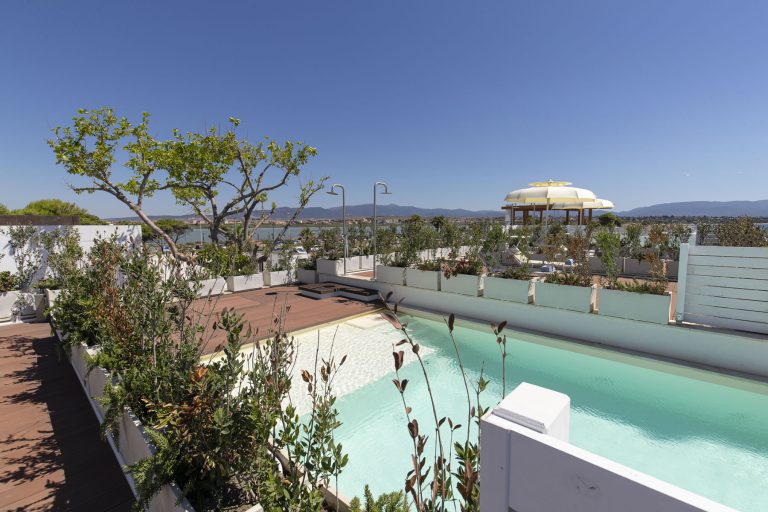
For a more private experience, visitors can also enquire about the infinity pools overlooking the Mediterranean at New Bussola, available by reservation and subject to the property’s access conditions.
Lunch on the Poetto seafront
For lunch, choose one of the restaurants or cafés along Poetto Beach.
Options may include fresh fish dishes, salads, sandwiches and traditional Sardinian specialities.
Visitors staying nearby can also return to their accommodation for a relaxing break before continuing their itinerary in the afternoon.
Afternoon: Hike to Sella del Diavolo
In the afternoon, explore the Sella del Diavolo headland, which separates Poetto Beach from the Calamosca area.
The scenic hiking trail crosses Mediterranean vegetation and leads to several viewpoints overlooking the Gulf of Angels, Marina Piccola, Poetto Beach and the Molentargius wetlands.
Suitable footwear, drinking water and sun protection are essential for the walk.
On particularly hot days, avoid hiking during the middle of the afternoon and consider scheduling the excursion for a cooler part of the day.
Before setting out, check trail conditions and any temporary access restrictions.
A more relaxing alternative: Calamosca Bay
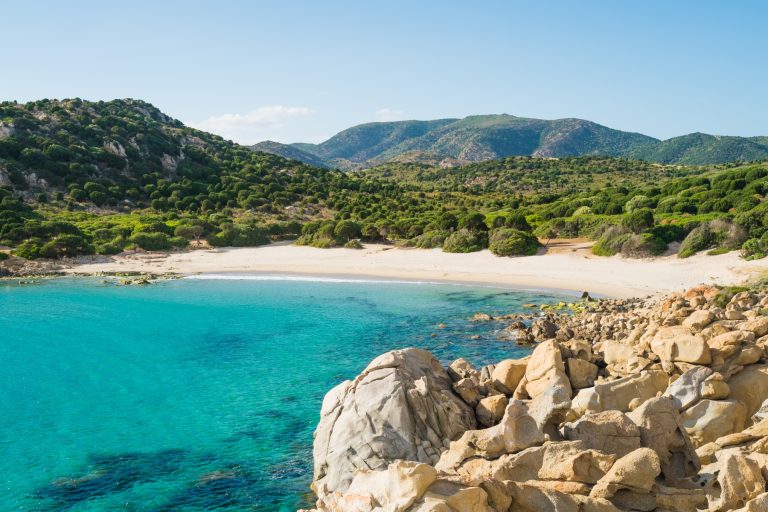
If you prefer not to go hiking, spend the afternoon at Calamosca, a small bay located on the opposite side of the headland.
Compared with Poetto, this beach is more compact and is surrounded by rocks and Mediterranean vegetation.
During busy periods, arriving early is recommended, as the available space is limited.
Calamosca is an appealing alternative for travellers who want to enjoy a quieter stretch of coastline without venturing far from Cagliari.
Evening: Sunset over the Mediterranean
Spend your final evening admiring the changing colours of the sky from Marina Piccola or one of the seafront venues overlooking the Gulf of Angels.
The Sella del Diavolo area also offers beautiful panoramic scenery, although any walk should be planned to finish safely before darkness.
A dinner overlooking the Mediterranean is the perfect way to conclude three days spent exploring Cagliari’s history, natural landscapes and beautiful coastline.
3-day Cagliari itinerary at a glance
Here is a simple summary of the main attractions and activities included in the itinerary.
Day 1: Historic centre
- Marina district;
- Bastione di Saint Remy;
- Castello district;
- Cathedral of Santa Maria;
- Elephant Tower and San Pancrazio Tower;
- Villanova district;
- Sunset from Bastione di Santa Croce.
Day 2: Markets and archaeology
- San Benedetto Market;
- Cittadella dei Musei;
- National Archaeological Museum;
- Roman Amphitheatre;
- Botanical Garden;
- Evening walk through the city centre.
Day 3: Nature and beaches
- Molentargius-Saline Natural Park;
- Poetto Beach;
- Lunch on the seafront;
- Sella del Diavolo or Calamosca Bay;
- Dinner overlooking the Mediterranean.
Practical tips for visiting Cagliari in 3 days
Choose a convenient area for your accommodation
If you want to explore monuments, restaurants and lively neighbourhoods mainly on foot, staying in Cagliari’s historic centre may be the most convenient option.
Travellers who prefer to combine sightseeing with beach relaxation can instead choose accommodation near Poetto Beach.
The seafront also provides a useful base for exploring Molentargius Natural Park, Sella del Diavolo and the scenic coastal road towards Villasimius.
Check attraction opening times
Opening hours, admission prices and access arrangements for museums, monuments and archaeological sites can change throughout the year.
Before travelling, check the official websites of the attractions you intend to visit, particularly during public holidays, renovation works or special events.
This is especially important when planning a short itinerary, where unexpected closures can affect the day’s schedule.
Getting around Cagliari
Much of Cagliari’s historic centre can be explored on foot, although visitors should expect hills, staircases and uneven or paved streets.
Local buses and other urban transport connections provide access to Poetto Beach, Molentargius, Calamosca and various areas outside the city centre.
Hiring a car becomes more useful if you want to travel beyond Cagliari and explore beaches around Villasimius, Pula or Chia.
Always check current transport routes and timetables before organising your journey.
What to pack for three days in Cagliari
For a comfortable city break, consider bringing:
- Comfortable walking shoes;
- A reusable water bottle;
- A hat and sunscreen;
- Swimwear and a beach towel;
- A light jacket for windy days;
- A small backpack for sightseeing and excursions.
If you plan to hike on Sella del Diavolo, suitable footwear and sufficient drinking water are particularly important.
When is the best time to visit Cagliari?
Spring and early autumn are particularly enjoyable seasons for combining cultural visits, city walks and outdoor excursions.
Summer is ideal for making the most of Cagliari’s beaches and Mediterranean atmosphere.
However, during the hottest months it is advisable to visit museums and indoor attractions around midday, leaving early mornings and late afternoons for outdoor activities.
What to eat during your 3-day trip to Cagliari
A three-day stay offers plenty of opportunities to discover the flavours of traditional Sardinian cuisine.
Some local dishes and specialities worth trying include:
- Fregola con arselle, Sardinian pasta with clams;
- Spaghetti or other dishes prepared with bottarga;
- Malloreddus alla campidanese, traditional Sardinian pasta with tomato and sausage sauce;
- Culurgiones, traditional stuffed pasta;
- Grilled or fried fresh fish;
- Burrida cagliaritana, a traditional fish speciality;
- Panadas, savoury filled pastries;
- Seadas, a traditional Sardinian dessert with cheese and honey;
- Local cheeses and cured meats;
- Wines produced in Sardinia.
Markets, traditional trattorias, seafront restaurants and small venues in the historic centre make it possible to enjoy a different gastronomic experience every day.
Visitors staying near Poetto Beach can also explore the seafront dining experience at New Bussola.
Where to stay in Cagliari near Poetto Beach
Staying on the Poetto seafront allows visitors to begin each morning overlooking the Mediterranean while remaining conveniently located for exploring central Cagliari, Molentargius Natural Park and Sella del Diavolo.
New Bussola – Suites & Luxury Rooms, located directly on the coastline in Quartu Sant’Elena, offers an appealing base for discovering both the city and the beaches of southern Sardinia.
The property features six sea-facing accommodation units, dedicated relaxation areas and infinity pools with hydromassage.
Its setting makes it possible to combine sightseeing and outdoor activities with time spent relaxing beside the sea.
Discover the services and amenities available at New Bussola or visit the New Bussola location page to help organise your stay.
Three days of history, nature and Mediterranean scenery
Cagliari is a city that can be discovered through a remarkable variety of experiences.
The first day takes visitors through the historic centre, medieval fortifications and panoramic viewpoints.
The second day offers an opportunity to explore Sardinia’s archaeological heritage and traditional gastronomy.
Finally, the third day brings you closer to nature, with pink flamingos, beautiful beaches and scenic walks overlooking the Mediterranean.
In just three days, you can discover the unique character of Cagliari and understand what makes it such a special destination: the constant connection between history, nature and the sea.